Subway Gluten Free Menu
This quick guide helps you make a calm, confident choice when hunger hits and a quick stop looks best. Updated 1/21/2026, it explains what is usually safe at this chain and where to watch for cross-contact risks.
You’ll learn which ordering paths to try: a sandwich only at locations that carry special bread, or more often a salad or protein bowl made with safe ingredients. Expect tips for counter notes and online orders that reduce contamination risk without a fuss.
This write-up clarifies that “gluten free” can mean safe ingredients, not a separate kitchen. You’ll see what to avoid, what to double-check, and polite phrases to use with staff.
Procedures and availability vary by location. This is informational, not medical advice. If you have celiac disease or a severe sensitivity, verify ingredients and processes at your local restaurant before you pay.
What “Gluten Free at Subway” Means Right Now in the United States
Ordering safely at a fast sandwich spot means weighing ingredients and prep risks. Labels and allergen charts tell you what is in each item. They do not show how staff handle food during busy service.
Ingredients vs. cross-contamination risks
You can choose items made with safe ingredients. But a shared counter creates cross-contact hazards. Crumbs on gloves, shared knives, and touched bins increase contamination risk.
Why availability and procedures vary
Each location runs differently. Franchise rules, training, staff levels, and local supply affect what options a store offers. Some teams will change gloves and use a clean knife. Others may not during a rush.
Who this guide helps
Use a simple risk ladder: low risk for mild intolerance, higher concern for wheat allergy, and strict avoidance for celiac-level sensitivity. Combine official allergen information with a quick in-store question to staff about prep steps.
| Situation | Typical Risk | Practical Step |
|---|---|---|
| Mild intolerance | Low to moderate | Ask for clean glove and no toasting |
| Wheat allergy | Moderate | Request fresh barrier and knife |
| Celiac-level sensitivity | High | Choose a sealed, separate-prep option or skip the shared line |
Subway Gluten Free Menu: What You Can Order Without Bread

When bread is off the table, bowls and salads give you a hearty, familiar meal that travels well.
Bowls and salads remove the largest gluten source: the roll. That makes them the most reliable gluten free options at the counter.
Protein bowls: the most reliable gluten-free “sub” format
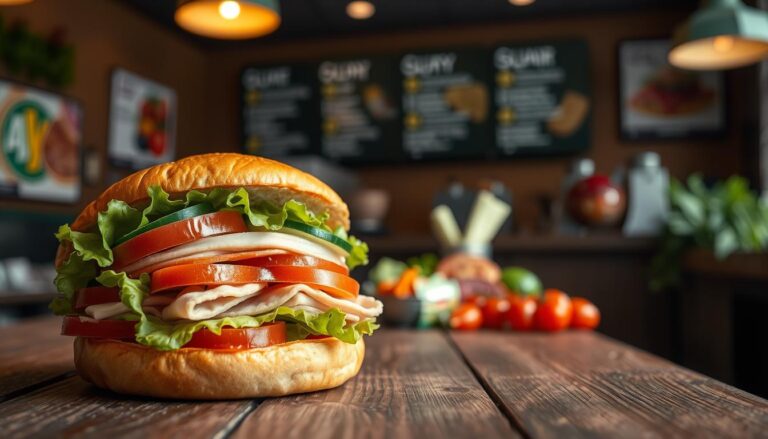
Protein bowls mirror a sandwich but usually double the meat and cheese. They deliver the sub experience with more protein and fewer crumbs.
Salads: building a six-inch equivalent without the roll
To build a six-inch equivalent, pick one protein, add cheese if you like, pile on vegetables, and pick a safer dressing.
- Choose plain meats and standard cheeses.
- Load up on lettuce, tomatoes, cucumbers, peppers, and onions.
- Ask for dressing on the side to limit cross-contact.
When a “no bready bowl” is the safest default choice
If you’re unsure about bread handling at a location, pick a no-bready bowl. It reduces touchpoints and crumb risk during prep.
Ingredients to double-check on the official allergen/nutrition info
Always confirm sauces, marinades, and limited-time items. Recipes and suppliers change and can add hidden gluten.
| Choice | Why it helps | What to ask |
|---|---|---|
| Protein bowl | More protein, fewer shared surfaces | Double-check meat heating and sauce |
| Salad | Six-inch feel without bread | Request clean gloves, dressing on the side |
| No-bready default | Lowest touchpoint risk | Ask staff to change gloves and use a clean knife |
Does Subway Have Gluten Free Bread or Buns?
Some locations still stock a sealed, bakery-style roll labeled as gluten free, but you should not assume every store will have it.
How it’s packaged and handled
When available, the gluten free bread arrives sealed in a plastic bag from a dedicated facility. That packaging lowers ingredient-level contamination before the store opens.
Once it reaches the counter, slicing or toasting can add cross contamination risk. Ask how staff handle those steps.
Why availability varies and how to check
Franchise supply choices and limited distribution mean some locations stopped carrying the roll. National programs change over time.
Check online ordering for a bread option or call your local store during a non-rush time to confirm stock and price. Expect about $1.50 extra per six-inch, but always verify.
What to ask at the counter
- Can you change gloves and wash hands before my order?
- Will you use a clean knife and a fresh surface or wrapper barrier?
- Can it be toasted without the crumb-covered rack?
| Item | Typical detail | Main prep risk |
|---|---|---|
| gluten free bread | Factory-sealed bag | Slicing, toasting, shared surfaces |
| Availability | Selective by location | Franchise supply, discontinued stock |
| Cost | About $1.50 per six-inch | Confirm at time of purchase |
Gluten-Free Proteins at Subway (and the Ones to Avoid)
Choose proteins with clear, short ingredient lists to make a safe, satisfying meal. Most standard meats are listed as gluten free by ingredient. That makes them the simplest safe pick when you want fewer unknowns.
Safe picks and a quick rule
Rule: most plain deli meats, roasted chicken, turkey, ham, and the veggie patty are gluten free by ingredient. Veggie patty availability varies by location, so confirm online or ask in-store before you plan on it.
Items to avoid
Two protein items do contain gluten and should be skipped: Sweet Onion Teriyaki Chicken and meatballs. Teriyaki-style sauces commonly include wheat. Meatballs often use binders that are not gluten free.
Heated proteins and shared equipment
Heated proteins raise cross-contamination risk. Shared ovens, warmers, and utensils can transfer crumbs or sauce. Busy time increases that risk.
- If you’re very sensitive, pick cold proteins in a bowl rather than heated add-ons.
- Ask staff: “I’m gluten free—can you change gloves and use a clean utensil before grabbing my protein?”
- Always re-check allergen info; ingredients can change over time.
| Choice | Why | Action |
|---|---|---|
| Plain meats | Simple ingredients, lower risk | Ask for clean gloves |
| Veggie patty | Often gluten free; varies | Confirm availability |
| Teriyaki chicken / meatballs | Contain gluten | Avoid |
Cheese, Vegetables, and Toppings That Fit a Gluten-Free Order
Start with simple choices to make ordering low-stress. Pick single-ingredient cheeses and a big mix of fresh vegetables. These items are usually the easiest to trust at the counter.
Cheese: what’s generally gluten-free
Standard sliced and shredded cheese is listed as gluten free by ingredient. The shredded Monterey and cheddar blend is also shown as safe and does not use a wheat-containing anti-caking agent.
That means choosing cheese is usually straightforward. Still, ask if a topping station uses shared utensils after bread prep.
Vegetables: customize freely with low ingredient risk
All standard vegetables are listed as gluten free. Load up on lettuce, tomatoes, cucumbers, peppers, and onions without worry about hidden wheat.
The true risk comes from handling. Bins and tongs can be touched after bread, so request fresh gloves or a clean tool when you order.
Seasonal toppings and the watch list
Limited-time items can change quickly. One clear example in the U.S. notes is herbed stuffing; it contains gluten.
If a topping sounds breaded, battered, or thickened, pause and check the allergen info before adding it.
| Choice | Why it helps | What to ask |
|---|---|---|
| Cheese | Simple ingredients, listed safe | Confirm shredded blend is the listed variety |
| Vegetables | Low ingredient risk | Ask for clean tongs or fresh gloves |
| Seasonal toppings | Can contain crumbs or thickeners | Check allergen notes for items that contain gluten |
Sauces, Condiments, and Dressings: Gluten-Free Choices vs. Red Flags
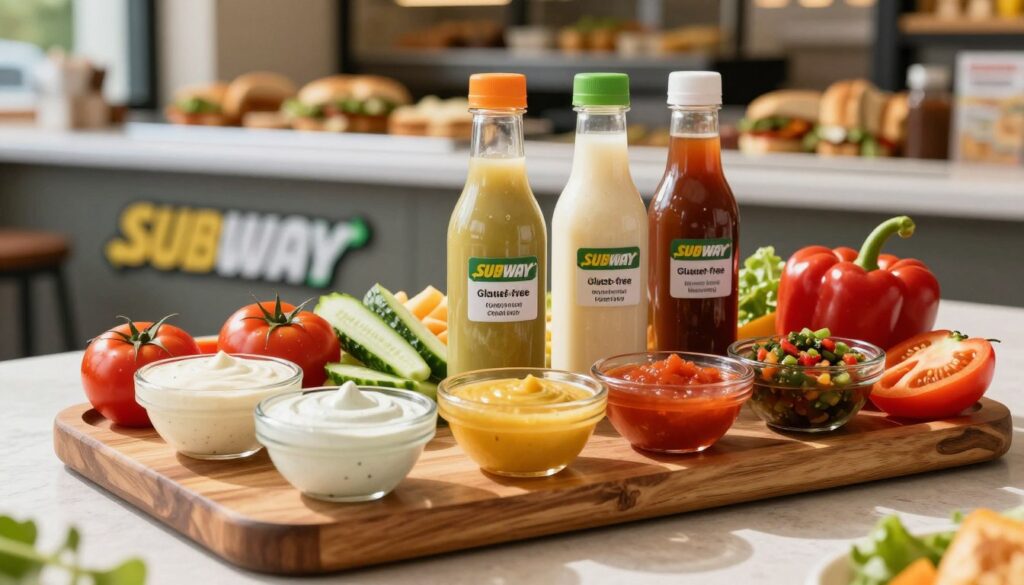
One clear red flag to know: Sweet Onion Teriyaki Sauce contains gluten and is the main sauce to avoid. It’s the easiest, most common surprise on the line.
Usually safe choices to keep on repeat
Stick to familiar condiments you trust. Mayo, mustards, Baja Chipotle Southwest, and Creamy Sriracha are listed as gluten-free by ingredient as of 1/21/2026.
Pick one safe sauce you like and reuse it when you travel or order at a new location. It cuts the guesswork.
Why sauces can be tricky
Small ingredient swaps—soy, malt vinegar, or thickeners—can make a sauce contain gluten. Regional and limited-time sauces change recipes and suppliers often.
Always check the official allergen information for the latest details before you order.
Handling note
Even gluten-free sauces can be cross-contaminated if staff dip spoons or touch bottles with gloved hands that handled bread. Ask for a clean container or that dressing be put on the side.
| Item | Status | Action | Risk |
|---|---|---|---|
| Sweet Onion Teriyaki Sauce | Contains gluten | Avoid | High |
| Mayo / Mustards | Listed gluten-free | Use freely | Low (watch handling) |
| Baja Chipotle / Creamy Sriracha | Listed gluten-free | Good flavor options | Low (verify regional recipe) |
How to Order Gluten Free at Subway With Less Cross-Contamination
A clear, polite opener at the register makes it easier for staff to change procedures and lower contamination risk.
Say it early and ask for clean handling
Tell the employee you’re gluten free before they start. That prompt gives staff a chance to slow down and adjust steps.
Simple, specific requests work best
Ask them to change gloves and wash hands if needed. Request a clean knife and a fresh wrapper or deli paper on the work surface.
Higher-safety options and timing
If you’re very sensitive, request ingredients from unopened containers or from the back. Avoid toasting or heated items — shared ovens and airflow can move crumbs.
Takeout and online ordering tips
For pickup, add a clear note: “gluten free — please change gloves, clean knife, fresh wrapper barrier.” With online ordering, follow up in person if the kitchen is busy or during rush time.
| Action | Why it helps | When to ask |
|---|---|---|
| Say “gluten free” at start | Signals staff to adjust prep | First words of your order |
| Change gloves & wash hands | Reduces direct contamination | Before they touch your food |
| Clean knife + fresh barrier | Prevents crumb transfer | When sandwiching or cutting |
| Unopened ingredients / no toasting | Highest control against cross-contact | Ask during slow time or by request |
For local updates and store-specific notes, check a local store listing: local store listing.
Making Your Best Subway Choice: A Quick Buyer’s Checklist Before You Pay
Pause for sixty seconds and confirm the few things that matter most.
.
First, ask if gluten free bread is in stock and how it’s handled. If you don’t trust the prep, pick a salad or protein bowl instead.
Skip clear avoid items: Sweet Onion Teriyaki Sauce, Sweet Onion Teriyaki Chicken, and meatballs. Watch seasonal toppings that may contain wheat.
Build simply: choose a protein listed as safe by ingredient, add cheese and plenty of vegetables, and use a familiar, safer sauce.
Quick cross-contamination check: did staff change gloves, use a clean knife, and set a fresh barrier? If not, ask or choose no heating and order off-peak.
Finally, glance at the official allergen information when trying new items. Aim for the best, safest choice with the facts you have.