Does San Francisco Have A Subway
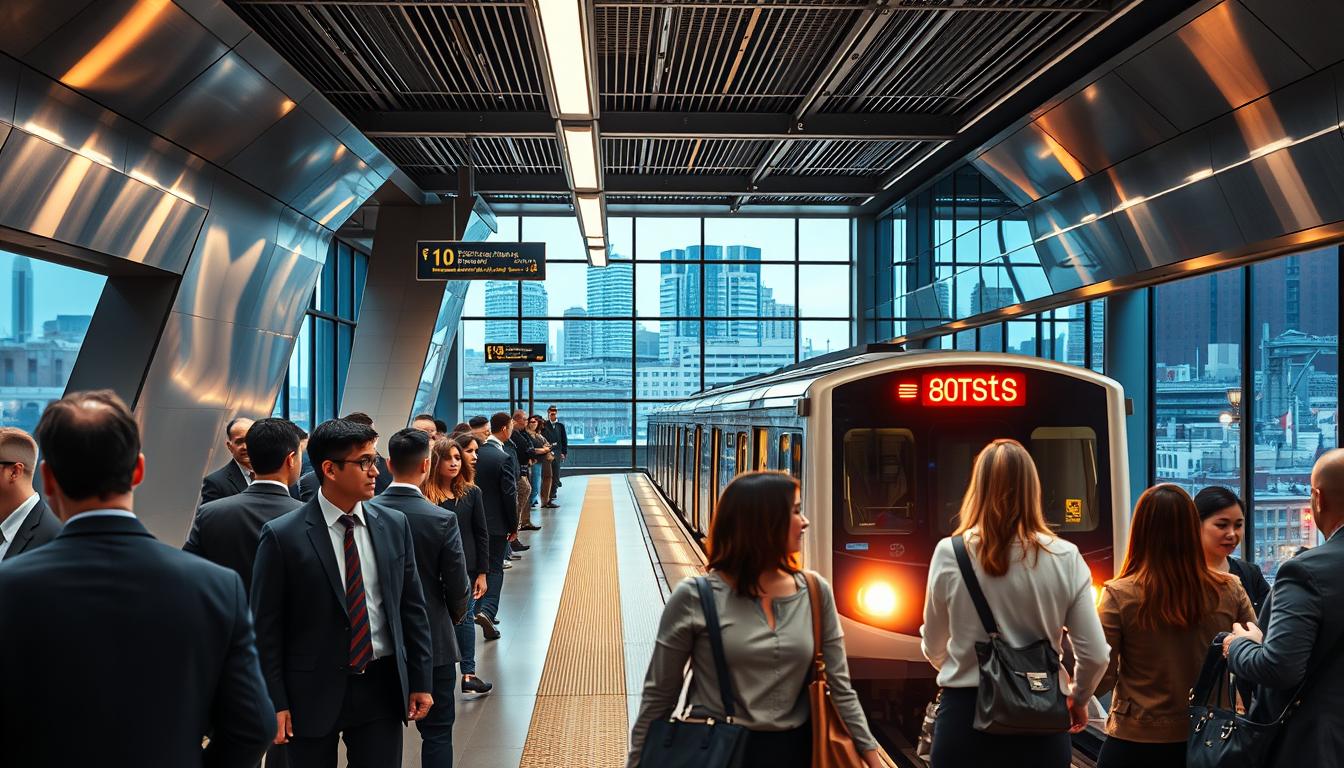
The short answer is yes: the term “subway” in this city usually refers to two overlapping rail systems with underground segments. Visitors and new residents often ask this because underground stations look and feel like a single subway network.
The systems to know are BART for regional trips and Muni Metro for in-city travel. The Central Subway extension boosted service between downtown and Chinatown and made transfers easier.
This guide defines what counts as underground service, points out key stations along Market Street, and shows how to pick the right line for your destination. Expect clear notes on fares, hours, and smooth transfers between trains and street-level options.
Why it matters: reading the map and choosing the right transit saves time when moving between neighborhoods like SoMa, Union Square, and Chinatown. Read on for a simple breakdown of operators, lines, and how to ride with confidence.
What People Mean by “Subway” in San Francisco
Locals often use “subway” as a catch-all for any fast rail that runs below street level. In this city, that shorthand covers different systems that serve distinct goals and riders.
Subway vs. light rail vs. regional trains
One operator runs regional rapid service while another runs light rail that mixes underground and street travel. Riders use the same word for both because parts of each system run beneath Market Street.
Why the network is split between two agencies
The split exists because the regional rapid transit agency focuses on speed across the Bay, while the municipal transportation agency focuses on local circulation. That means different fares, separate platforms, and sometimes separate ticket machines.
| Feature | BART | Muni Metro |
|---|---|---|
| Service type | Regional rapid trains | City light rail line |
| Station density | Fewer city stops | More stops serving neighborhoods |
| Shared downtown stations | Civic Center, Powell, Montgomery, Embarcadero | |
Does San Francisco Have A Subway
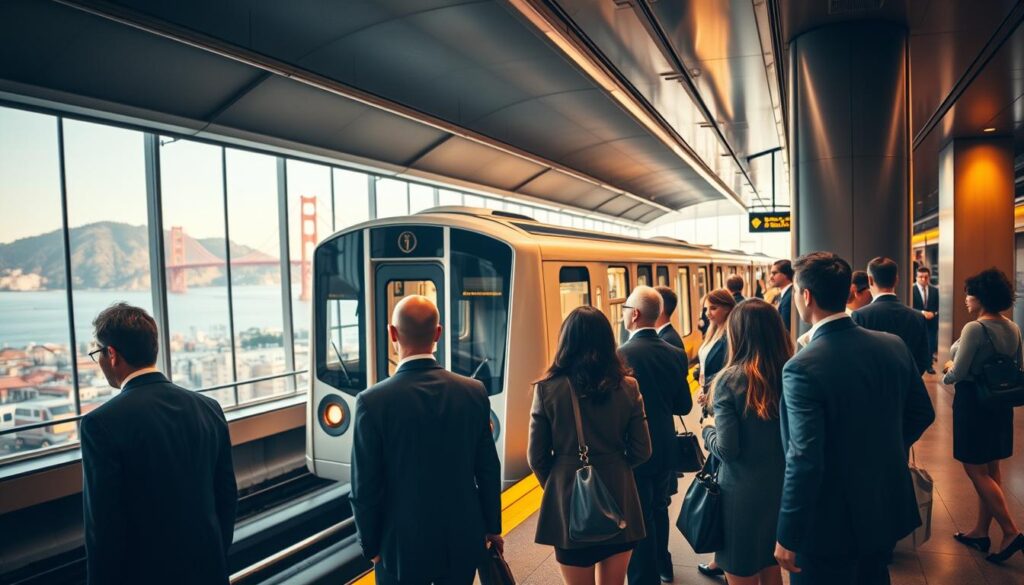
You will find underground train service in the downtown core, though it belongs to two separate operators. That means the city offers subway-style travel, but not one single unified system.
Most subway-like experiences happen around Market Street and other dense visitor areas. Tunnels and major stations concentrate service so riders can reach Union Square, SoMa, and Chinatown quickly.
- BART: regional rapid trains best for cross-Bay trips, airport runs, and longer commutes.
- Muni Metro: city light rail for moving between neighborhoods and short in-city trips.
The networks share four downtown stations — Civic Center, Powell, Montgomery, and Embarcadero — which form a simple mental map for newcomers. Sharing a station does not always mean one-step transfers or the same fare, so check which operator serves your platform.
| Feature | BART | Muni Metro |
|---|---|---|
| Best use | Regional and airport access | City circulation and neighborhood stops |
| Shared stations | Civic Center, Powell, Montgomery, Embarcadero | |
| Ticketing | Separate fares | Separate fares |
Understanding which operator you need will save time and prevent buying the wrong ticket. The next sections break down BART, Muni Metro, and the Central Subway with practical tips for riders.
BART in San Francisco: Regional Rapid Transit with Downtown Stations
BART serves as the Bay Area’s rapid backbone, with several underground stops in the downtown corridor. Riders experience true subway-style travel where tunnels run under Market Street and major activity centers.
The four shared city-center stops
Civic Center is best for government buildings and Davies Symphony Hall. Powell sits nearest Union Square and tourist hotels. Montgomery serves the Financial District. Embarcadero opens to waterfront walks and ferry connections.
BART lines that link the region
Five main lines run into the city and then branch across the Bay: Yellow, Red, Green, Orange, and Blue. These lines prioritize cross-Bay travel rather than covering every neighborhood.
Fares, hours, and frequency
BART fares are distance-based; expect about $2.50 to $12.90 depending on where you start and finish. Weekday service roughly runs from 4am to midnight, with later weekend starts. Trains run about every 15 minutes, stretching to 20 minutes during quiet periods. Night buses fill in when trains are not running.
| Use | Best for | Nearby |
|---|---|---|
| Regional travel | Airport & cross-Bay | Market Street station area |
| Downtown access | Quick trips to key spots | Union Square and waterfront |
| Short hops | Not ideal | Choose local transportation instead |
Muni Metro: San Francisco’s City Subway-and-Street Light Rail
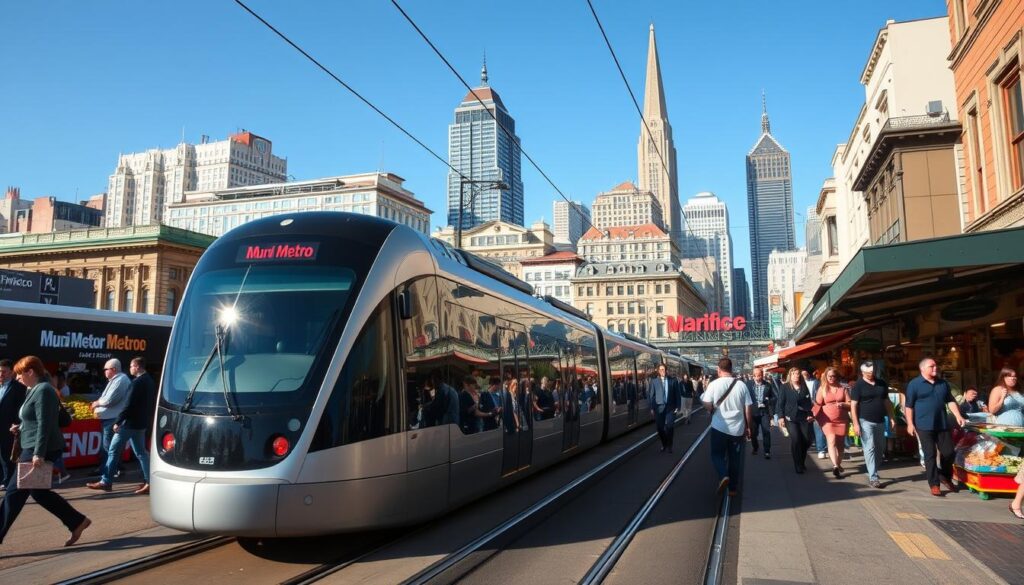
Muni Metro blends underground tunnels and street-level tracks to serve neighborhoods across the city.
How it runs underground and overground
The system behaves like a subway under Market Street and like street-running light rail elsewhere. Downtown stops feel like station platforms. Outside the core you board at curbside platforms in traffic lanes.
Lines at a glance
Main lines: J, K, L, M, N, T, and S. Use endpoints to choose a line: Embarcadero to Balboa Park (J, K, M), Embarcadero to SF Zoo (L), Caltrain Depot to Ocean Beach (N), West Portal to Sunnydale/Bayshore (T), and the rush-hour S shuttle.
Fares, passes, and practical tips
Adult fare is $2.50 with 90-minute transfers. Reduced fares apply for youth and seniors; kids under four ride free. For visitors, consider a Muni Passport or CityPASS to simplify multiple days of travel.
| Feature | Typical use | Notes |
|---|---|---|
| Frequency | Every 7–10 minutes | Shorter gaps downtown, slower late night |
| Service hours | About 5am–1am | Night buses cover L and N routes |
| Best for | Neighborhood trips | Use when BART doesn’t stop nearby |
Central Subway: The New Downtown-to-Chinatown Underground Extension
The Central Subway carves a new underground corridor from SoMa into Chinatown, changing how many riders move through downtown.
Why it was built and what it adds
The central subway extends the T line north to shorten travel times and bypass crowded surface routes like Stockton Street. The SFMTA led the project to reduce congestion and speed trips between neighborhoods.
Stations and their roles
- 4th/Brannan — the surface entry point near the 4th Street corridor and Caltrain access.
- Yerba Buena/Moscone — subway stop serving SoMa, convention, and museum areas (yerba buena moscone).
- Union Square/Market Street — downtown stop for shopping, hotels, and easy transfers (union square market).
- Chinatown-Rose Pak — the tunnel terminus that delivers riders directly into Chinatown (chinatown-rose pak station).
Opening timeline and connections
A weekend shuttle began November 19, 2022, and full revenue service on the T line started January 7, 2023. Riders can transfer downtown to BART for regional trips and use the 4th/Brannan area to reach Caltrain.
| Feature | Notes |
|---|---|
| Platform length | Designed for two-car trains — plan where to stand for boarding. |
| Best use | Fastest rail link for Chinatown ↔ Union Square ↔ SoMa. |
| Operator | SFMTA T line service integrated into city network. |
How to Navigate Stations, Transfers, and Popular Stops in the City
Navigating downtown stations is easier when you know which lines and fare gates belong to each operator.
Switching between BART and Muni Metro
Even when platforms sit side-by-side, BART and Muni use separate fare systems. Buy a ticket or Clipper card for each before passing through the gates.
Check signage at fare lines. If you see “BART” follow those gates; if you see Muni logos, use the Muni entrance.
Getting to Union Square, Market Street, SoMa, and Chinatown
Choose the nearest station to your destination to cut walking time.
- Union Square area: Union Square/Market Street or Powell for direct access to shops and hotels.
- Market Street corridor: use any downtown stop along Market Street for quick access to transit options.
- SoMa: Yerba Buena/Moscone serves museums and convention centers.
- Chinatown: Chinatown-Rose Pak is the closest underground station for direct access.
Quick decision tree and tips
If you arrive from the airport or East Bay, take BART into downtown. From there, switch to Muni if your stop is inside the city neighborhoods, or stay on the T if using the central subway for direct Union Square to Chinatown travel.
| Need | Best station | Why |
|---|---|---|
| Shop or hotel near Union Square | Union Square/Market Street, Powell | Short walk to hotels and shops |
| Museum or convention in SoMa | Yerba Buena/Moscone | Near Moscone Center and cultural sites |
| Visit Chinatown | Chinatown-Rose Pak | Direct underground access to Chinatown |
Follow operator names on signs, confirm the line letter or color, and let riders exit before boarding. For step-by-step guidance on using Muni, see this how to ride Muni guide.
Riding San Francisco Transit with Confidence
Planning helps. A little prep — knowing stations, schedules, and ticket rules — makes travel simple in san francisco and across the city.
Use public transportation that fits your trip: BART for regional runs and airport rides, Muni Metro for neighborhood travel, and the central subway for fast links between Union Square, SoMa, and Chinatown.
Remember service rhythms: BART runs about every 15 minutes (up to 20 off-peak). Muni runs roughly every 7–10 minutes, with night buses when trains stop.
Quick checklist: pick the right station, verify the operator and line, buy separate tickets if needed, and plan a night-bus backup. Then ride and explore more neighborhoods without parking stress.