Does Subway Take Ebt
This page answers whether a popular sandwich chain accepts SNAP benefits using EBT and what must be true for a payment to work. In short, acceptance is not universal. Many locations can only process food benefits through state-run Restaurant Meals Program (RMP) sites that serve prepared meals.
The SNAP program provides food aid and EBT is the card system people use to access it. Some stores join RMP so eligible clients can buy hot, ready-to-eat meals. Other outlets do not participate, so the card will be declined.
Two common scenarios matter most: buying hot prepared meals under RMP, or rare cases where cold items might be eligible without RMP. The quickest way to avoid a declined card is to confirm RMP eligibility and call the specific store before ordering.
This article will list state availability, examples of participating areas, what counts as allowable food purchases, and how register payments work.
Confirm RMP participation before using SNAP benefits.
EBT use depends on state rules and store approval.
Does Subway Take Ebt
Many cardholders want a quick answer: some franchise locations accept SNAP payments, but it depends on local enrollment and program rules.
The short answer for SNAP/EBT cardholders in the United States
Yes — a store can accept ebt card payments, but only at participating restaurants that join the Restaurant Meals Program (RMP).
Your ebt card must be coded for restaurant use and you must meet the eligibility the state sets to use benefits at a restaurant.
Why acceptance depends on your state and the specific location
Whether you can pay with SNAP at a local franchise depends on the state RMP rules and whether that location opted in. A brand-level policy does not guarantee every site accepts the same payment types.
- Franchise vs. brand: many restaurants are locally owned and sign up individually.
- State rules decide if restaurants may be included in SNAP RMP lists.
- When unsure: check state RMP maps, look for in-store signage, call the store, or contact your SNAP office before you go to avoid a declined card.
| Factor | How it affects payment | What to check |
|---|---|---|
| State RMP policy | Determines if restaurants can accept SNAP-funded meals | State RMP list or department of social services |
| Store enrollment | Individual stores must be set up to take benefits | Call the location or look for signage |
| Card coding | Cards must be coded to allow restaurant purchases | Ask SNAP office or check your ebt card account |
How EBT and SNAP benefits work at restaurants
Understanding how SNAP works with restaurants helps you know when you can use benefits for ready-to-eat meals.
What “EBT” means for food stamps purchases
EBT is the electronic payment system that gives SNAP participants access to benefits, similar to a debit card tied to an assistance account.
Many people still call benefits “food stamps.” The name remains common even though payments arrive electronically today.
Why most SNAP purchases are meant for foods prepared at home
The basic SNAP intent is to help buy groceries and ingredients for meals prepared at home. Most approved items are non-prepared grocery products.
Because of that rule, fast-food and most restaurants do not accept SNAP at the register unless there is a special program in place.
- Point-of-sale rules: merchants and item types are checked at checkout and can block a transaction.
- RMP exception: some states allow restaurant purchases for people who cannot shop or cook safely.
- Carry proof: even with available funds, the sale can be denied if the merchant isn’t eligible.
| Item type | Typical SNAP eligibility | Common outcome at register |
|---|---|---|
| Grocery ingredients | Eligible | Allowed |
| Hot prepared meals | Generally ineligible | Denied unless RMP |
| Cold packaged foods | Often eligible | May be allowed depending on store |
What the Restaurant Meals Program is and why it matters
A state-run option called the Restaurant Meals Program can change how eligible recipients use SNAP at restaurants. It allows certain people to buy prepared meals at approved restaurants using their benefits card.
RMP basics
The restaurant meals program (RMP) is a SNAP option that permits prepared meals at participating restaurants for eligible recipients. States must approve restaurants and enable the function on the electronic card before transactions will work.
Who the meals program is designed to help
This meals program serves people who cannot shop, cook, or store food safely. Typical beneficiaries include seniors, people with disabilities, and people without stable housing.
How states “code” an EBT card for restaurant use
States mark eligible EBT accounts so registers accept restaurant meals. If a card lacks that code, a restaurant sale will be declined. That is why two SNAP recipients in the same city can get different outcomes at the counter.
RMP does not replace SNAP. It only expands where some benefits may be spent. Because participation varies by state and by restaurant, always check local lists or call the location before you go.
| Feature | What it means | Action for people |
|---|---|---|
| Program type | State-run SNAP option for prepared meals | Confirm state RMP availability |
| Card coding | EBT accounts must be enabled for restaurant use | Check your account or call SNAP office |
| Restaurant role | Must enroll to accept RMP purchases | Look for participating locations or call ahead |
Who qualifies for the Restaurant Meals Program
Not every SNAP household qualifies for restaurant purchases; eligibility follows narrow categories set by states. States use RMP rules to approve specific groups and enable restaurant purchases on an account.
Seniors age 60 and older
Many states set 60 years of age or older as the cutoff for senior eligibility. If you meet that threshold, you may be eligible to use snap benefits at approved restaurants.
People with disabilities
Disability eligibility normally matches receipt of disability or blindness benefits. It can also include qualifying disability retirement from a government agency.
Unhoused individuals
“Unhoused” typically means lacking permanent housing or stable cooking and storage. RMP exists to serve people who cannot prepare or store food safely.
Spouses of eligible SNAP recipients
If one household member qualifies under RMP rules, a spouse may also qualify depending on state policy and household enrollment.
| Category | Common proof | Notes |
|---|---|---|
| Seniors (60+) | Photo ID, birth record | Age threshold varies; 60 years is common |
| People with disabilities | Disability benefits statement | Includes blindness or government disability retirement |
| Unhoused | Self-attestation or shelter documentation | Focus on lack of safe cooking/storage |
| Spouses | Household verification | Eligibility may extend to household members |
Even in RMP states, not every SNAP household qualifies. Your EBT account must be enabled for restaurant use before transactions will work. Call your local office to confirm eligibility and card coding.
States where the Restaurant Meals Program is available right now
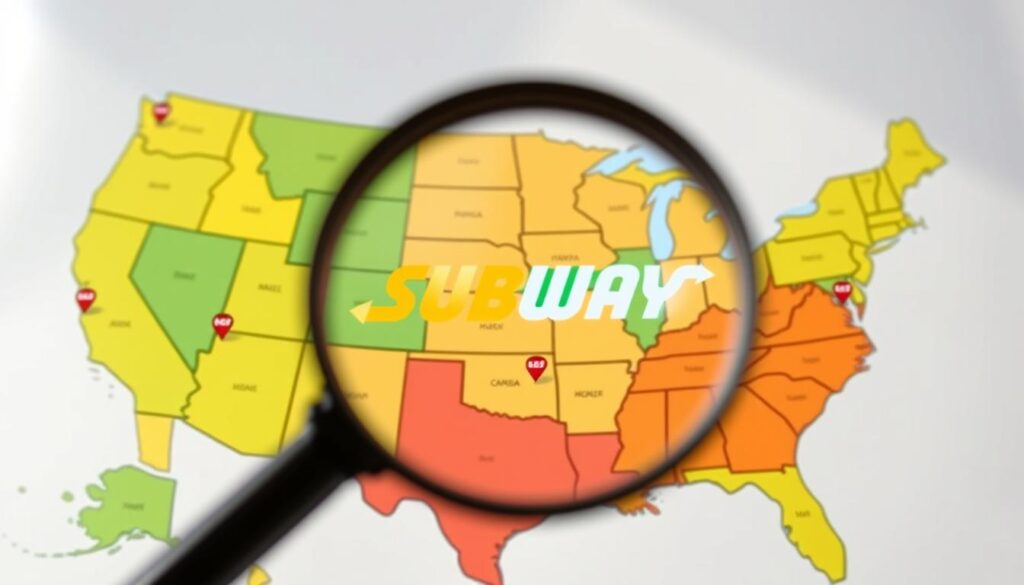
State rules decide whether you can use SNAP benefits for prepared meals. The restaurant meals program (RMP) is a state option that some states adopted to let eligible people buy ready-to-eat food at approved restaurants.
Current program directories show nine states with RMP availability. Check official lists before you go, because participation can change.
- Arizona (AZ)
- California (CA)
- Illinois (IL)
- Maryland (MD)
- Massachusetts (MA)
- Michigan (MI)
- New York (NY)
- Rhode Island (RI)
- Virginia (VA)
SNAP is federally funded but runs through each state. That means being in an RMP state does not guarantee every restaurant joins the program.
Living outside these states usually means restaurants cannot accept meal purchases with benefits. Even inside an RMP state, approval varies by location and by how the state publishes its lists.
| State | RMP Available | What to check |
|---|---|---|
| Arizona | Yes | State RMP directory and local restaurant list |
| California | Yes | County or state site for participating restaurants |
| Illinois | Yes | State social services or RMP locator |
| New York | Yes | Official RMP restaurant listings and local offices |
| Rhode Island | Yes | State directory and in-store signage |
Always use official state directories or locator tools because participation changes. In the next section, we list examples of select locations that do enroll in the RMP.
States where Subway has RMP participation examples
Some RMP directories list specific chain locations that appear as participating restaurants. These examples show where prepared meals may be paid for with SNAP benefits, but they are not guarantees for every store in a city.
Arizona examples
RMP lists include franchise outlets in Phoenix, Tucson, and Mesa as examples of participating locations. Call the local register to confirm a particular restaurant is enabled before you go.
California examples
Directories show entries in Los Angeles, San Francisco (including campus-area listings), and Riverside. Participation often varies by county and by individual franchise owners.
Rhode Island examples
State lists name outlets in Providence, Cranston, and Pawtucket among participating restaurants. Smaller cities like Woonsocket may also appear in broader directory maps.
Virginia and other states
Examples in Virginia include Newport News, Virginia Beach, and Portsmouth. Other RMP states may or may not list this chain depending on local approvals and card coding.
| State | Example cities | Note |
|---|---|---|
| Arizona | Phoenix, Tucson, Mesa | Directory entries show some franchise locations |
| California | Los Angeles, San Francisco, Riverside | County lists and campus sites referenced |
| Rhode Island | Providence, Cranston, Pawtucket | Smaller city listings may also appear |
These examples are drawn from public RMP directories and are meant to illustrate how participation looks. Always verify a specific location before you plan to use EBT for a meal purchase.
Why EBT acceptance can vary by Subway restaurant
Franchise ownership and local setup explain why two nearby restaurants can behave differently at the register. A single owner must enroll and enable point-of-sale systems for rmp purchases.
Franchise participation and local approval
Local approval combines state authorization, the restaurant’s enrollment, and the register’s ability to process rmp transactions. Even a national brand won’t guarantee uniform acceptance.
What it means when your ebt card is declined
Common decline causes: the ebt card isn’t coded for restaurant use, the location isn’t participating, or the items you selected aren’t eligible under rmp rules.
A decline often reflects a rules or setup issue, not an empty account. Ask staff whether the store is an rmp participating restaurant and confirm your eligibility with your local snap office.
| Cause | What it means | Immediate step |
|---|---|---|
| Card not coded | Register blocks restaurant purchases | Verify card coding with SNAP office |
| Location not enrolled | Store cannot accept benefits | Call store or check state rmp list |
| Item ineligible | Purchase type disallowed | Choose eligible items or pay another way |
How to find a Subway that accepts EBT near you
You can locate a participating restaurant in minutes by using state tools and a quick call. Start with official resources, then confirm details before you go.
Use state RMP maps and lists
Open your state’s RMP locator map or restaurant list. Search by city or ZIP and note the exact address. Match that address to the franchise you plan to visit.
Look for in-store RMP signage
Participating restaurants usually display a sign that reads “Participating Restaurant: SNAP Restaurant Meals Program.”
Check windows, doors, or near the register for the fork-and-knife symbol or similar notice.
Call your SNAP office
If online tools are unclear, call the local SNAP office. Ask for current RMP locations and recent updates.
Contact the store before visiting
Call the specific franchise and ask if they accept EBT for rmp purchases and whether it is in-store only. This avoids surprises at checkout.
| Step | Action | Why it matters |
|---|---|---|
| 1 | Use state RMP locator | Find listed participating restaurants and addresses |
| 2 | Match address to franchise | Ensures the listed site is the one you will visit |
| 3 | Look for RMP signage | Visual confirmation at the store |
| 4 | Call SNAP office or store | Get up-to-date confirmation before you travel |
Can you use EBT at Subway online or in the Subway app
Online ordering and delivery tools rarely accept SNAP benefits for restaurant meals. If you expect to pay with your benefit card, plan to order and pay inside the store.
In-store only: what to expect at checkout
In practice, “in-store only” means you cannot add benefits as a payment method in the app or on the website. Even when a location is RMP-approved, app checkouts will block SNAP-funded purchases.
At the register you will swipe or insert your card and enter your PIN, much like a debit purchase. The point-of-sale verifies that the account is coded for restaurant use before approving the sale.
Plan for busy meal times. If you visit during peak time, call ahead to confirm the store accepts EBT to avoid waiting in line for a payment the register cannot process.
- Bring a backup payment method in case the location isn’t enrolled or your card isn’t coded.
- Call the franchise if you are unsure about participation before you travel there.
| Payment channel | SNAP/EBT allowed | What to expect |
|---|---|---|
| In-store register | Yes (if RMP-approved) | Use your card and PIN at the terminal |
| Mobile app / online | No | App will not accept SNAP-funded payments |
| Third-party delivery | No | Delivery platforms do not process SNAP for restaurant meals |
What you can buy at Subway with EBT if you’re RMP-eligible
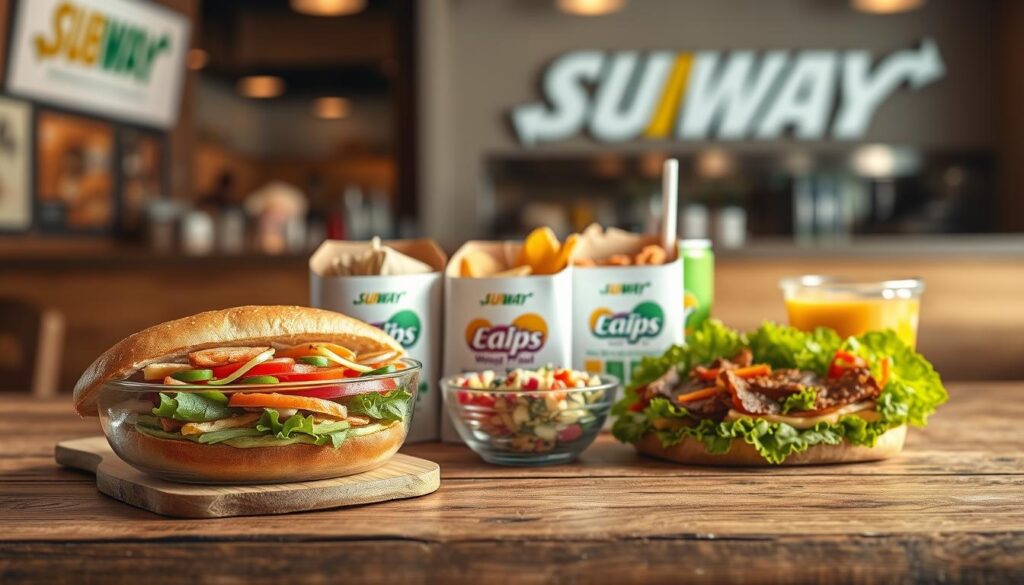
Eligible SNAP recipients can use RMP-approved accounts to purchase prepared meals at participating restaurants. That includes hot foods and ready-to-eat sandwiches served immediately on site.
Prepared meals and hot foods at approved participating locations
When a restaurant is enrolled in the RMP, customers whose accounts are coded for restaurant use may buy hot foods and other prepared meals from the regular menu. This covers items made to order and meant for immediate consumption.
Enrollment matters: being eligible for RMP does not help if the particular franchise is not signed up to accept SNAP at the register. Call the store or check state lists before you go.
Menu flexibility when paying with SNAP EBT at restaurants
Participating restaurants usually allow orders from the standard menu rather than limiting purchases to a single discounted meal. So you can pick any meal offered that fits SNAP rules, including sandwiches, sides, and combo meals prepared for immediate eating.
| What | Typical outcome | Action |
|---|---|---|
| Prepared meals / hot foods | Allowed at RMP-approved restaurants | Confirm store enrollment and card coding |
| Menu items (regular menu) | Usually permitted | Order normally at the register |
| Taxes & fees | Varies by state/local rules | Bring a small backup payment if needed |
Practical tip: verify the location accepts RMP purchases and that your SNAP account is enabled for restaurant use before ordering a full meal. That avoids surprises at checkout.
What you might be able to buy with EBT at Subway without RMP
Outside the meals program, some outlets may permit SNAP payments only for items that look like grocery purchases rather than hot ready-to-eat meals.
Cold food items in this context are packaged goods sold cold or at room temperature. These are not prepared hot and are not intended for immediate hot consumption.
Cold food items that may be SNAP-eligible
When a store classifies a sale as grocery-style, examples of eligible food items include:
- Bottled drinks and sealed beverages
- Packaged chips, cookies, and snacks
- Prepackaged salads or cold sandwiches that are not sold hot
Why non-RMP acceptance for cold items is uncommon and store-dependent
Most franchise locations are set up as restaurants, not grocery retailers. That means point-of-sale systems often block SNAP-funded grocery purchases unless the merchant is registered to accept them.
Even if an item seems eligible under SNAP rules, the store’s registration and POS programming decide whether your card will work. Always call the specific store and ask what foods they allow on SNAP before you go.
| Situation | Likely outcome | Tip |
|---|---|---|
| Packaged cold snack | May be allowed if store codes sale as grocery | Confirm with the store first |
| Made-to-order sandwich (hot) | Usually denied without RMP | Use backup payment or visit a grocery |
| Prepackaged cold sandwich | Sometimes allowed depending on classification | Match item and ask cashier before purchase |
If you need reliable grocery purchases, a supermarket or grocery chain is the safer option for using SNAP benefits when the meals program is not in effect.
What you can’t buy with SNAP benefits at Subway
SNAP rules limit what your card can buy, and several common store items are always excluded. Knowing these limits helps avoid surprises at checkout.
Alcohol and tobacco
Alcoholic drinks and tobacco products are never eligible purchases with SNAP-funded accounts. This ban applies whether a location participates in the Restaurant Meals Program or not.
Non-food and other excluded items
SNAP does not cover non-food items, even when sold inside a restaurant or deli. Examples include:
- Soaps, paper goods, and household supplies
- Vitamins, supplements, and over-the-counter medicines
- Pet food, cleaning products, and kitchenware
If you buy eligible food and ineligible items together, the register may require splitting the sale. That can mean paying for non-eligible items with another payment method.
| Category | Eligible? | Action at checkout |
|---|---|---|
| Prepared sandwich or meal | Depends on program status | Confirm store enrollment |
| Alcohol & tobacco | No | Use other payment |
| Household supplies & medicines | No | Separate transaction required |
Most purchases at Subway are food, but these restrictions still apply to any non-food merchandise in a shop. Your EBT card only pays for eligible SNAP items, and registers enforce those limits at the point of sale.
How paying with an EBT card works at participating restaurants
At participating restaurants, paying with an assistance card works much like a regular debit transaction at the register.
Using the point-of-sale system like a debit card
Order at the counter, then swipe, insert, or tap your card at the POS device. If prompted, choose the EBT/SNAP payment option on the terminal.
PIN requirements and balance checks
The system will ask for your PIN to complete the sale. The register checks the available balance before approving the transaction.
Transactions fail if the card is not coded for restaurant purchases or if the balance is too low. That is why both restaurant enrollment and card coding matter.
Protecting your benefits and never sharing your PIN
Never share your PIN. Someone with both the card number and the PIN can steal your benefits.
Cover the keypad when you enter the PIN and keep the card in your possession as much as possible.
- Order, present the card, select EBT/SNAP, enter PIN.
- POS must be programmed for restaurant EBT under RMP.
- If the transaction fails, ask staff if the location is RMP-enabled.
- Contact your SNAP office to confirm card coding and eligibility if needed.
| Step | What happens | What to do |
|---|---|---|
| At checkout | Card read by POS and prompts EBT option | Choose EBT/SNAP and enter PIN |
| Balance check | System verifies available benefits | Have backup payment if balance is low |
| Decline reasons | Card not coded, location not enrolled, or low balance | Ask staff and call SNAP office for help |
Why you usually can’t buy hot food with EBT outside the RMP
The SNAP program is built to help people buy groceries to prepare meals at home. That baseline rule means most hot or ready-to-eat items are not eligible for benefit payments.
Standard SNAP rules for hot foods and ready-to-eat items
“Hot foods” means meals sold heated or meant for immediate consumption, such as made-to-order sandwiches, pizza by the slice, or steam-table entrees. These items trigger the restriction because they are not intended for home preparation.
Because of this rule, registers typically block attempts to buy hot items with SNAP benefits. The Restaurant Meals Program is the formal exception that lets certain recipients use benefits to buy prepared meals at enrolled restaurants.
Disaster waivers and when rules can change temporarily
In emergencies, states or USDA may issue disaster waivers. These waivers can allow people to purchase hot foods or other ready-to-eat items when cooking at home is not possible.
Check official state SNAP announcements during storms, evacuations, or power outages. Waivers are temporary and limited, and they do not replace normal rules once conditions improve.
| Rule | Typical effect | When it can change |
|---|---|---|
| Standard SNAP policy | Blocks hot or ready-to-eat purchases at register | Applies in normal conditions |
| RMP exception | Allows qualified recipients to purchase hot meals at enrolled restaurants | Permanent where state adopts RMP and card is coded |
| Disaster waiver | Temporarily allows purchase hot items when home cooking isn’t feasible | Issued for specific emergencies and dates |
Outside RMP and approved waivers, attempts to buy hot foods with your card will usually be denied. Confirm local program status before you try to use benefits for prepared meals.
Can you use EBT for Subway through delivery apps like DoorDash
Some retail partners on delivery apps let you use SNAP-funded payments for pantry items, while restaurants remain restricted.
Short answer: you cannot use SNAP benefits to pay for prepared restaurant meals on DoorDash. Delivery platforms accept benefits for certain grocery retailers and approved convenience stores only. They do not process SNAP for orders placed with restaurants or fast food restaurants.
DoorDash may let you use SNAP to buy groceries if the merchant is listed under a grocery or retail category. That covers staples like milk, bread, and canned goods. But hot meals and made-to-order sandwiches sold by restaurants are blocked under SNAP rules.
If you rely on the Restaurant Meals Program, plan to visit participating locations in person. For deliveries, use DoorDash at participating grocery stores to order SNAP-eligible items and prepare meals at home when possible.
- Confirm payment options in the app before you build a cart to avoid checkout surprises.
- Use DoorDash for grocery purchases at enrolled retailers; use in-person RMP restaurants for SNAP meal purchases.
| Delivery option | SNAP/EBT allowed? | Typical examples |
|---|---|---|
| Grocery retailers on DoorDash | Yes (if enrolled) | Supermarkets, grocery chains, convenience stores selling pantry items |
| Restaurants / fast food restaurants | No | Made-to-order sandwiches, hot meals, restaurant menus |
| Third-party delivery checkout | Varies by merchant category | Check app listing and payment options before ordering |
Making the most of your benefits if Subway doesn’t accept your EBT
When a restaurant declines your benefits card, quick fallback steps can help you still get food. First, check whether your account is coded for restaurant use and whether your state runs the RMP for eligible people.
Use official locators and call your local SNAP office. You can also search lists of restaurants that accept SNAP to confirm locations before you go.
If a nearby franchise won’t take your card, switch to SNAP-authorized grocery stores to buy ingredients and prepare meals at home. Focus on filling foods, compare unit prices, and plan a week of meals to stretch stamps and reduce waste.
Remember to protect your cards: never share your PIN, monitor balances, and review transactions. In short, the chain may accept EBT in select RMP situations, but verified participating restaurants or grocery stores are the most reliable options.