Subway Allergen Menu
This quick-reference hub gives you plain information so you can choose with confidence before you order. It lays out common allergens first, then ingredient breakdowns, then ordering tips and clear please-note disclaimers.
The most reliable source is the company website and in-store pages. Suppliers and recipes change, so the site and its labels are your best check. Look for label label entries and component lists to confirm ingredients.
Expect a simple definition: an allergen is a food protein that can trigger a reaction. Even simple orders can be risky in shared prep lines. Staff can often change gloves, use a clean knife, or add a fresh wrapper to lower cross-contact, but risk remains.
This site may show a cookie banner. Cookies or a cookie may support basic services, protect privacy choices, and help collect personal information only when you allow cookies. That lets the site learn preferences so you can receive personalized recommendations.
Later sections flag the big watch-outs: milk in cheeses and sauces, egg in mayo-based sauces and tuna salad, wheat and gluten in breads and wraps, and cross-contact risk even with careful handling at the restaurant.
How to Find Accurate Allergen Information for Subway in the United States
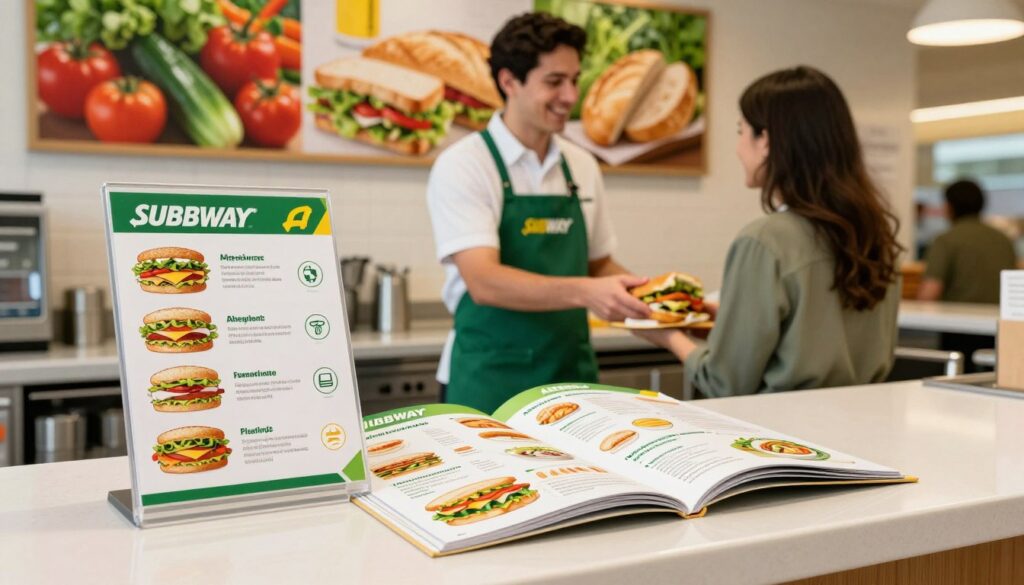
Start online so you know what to ask for in the restaurant. The company site holds ingredient charts, downloadable label files, and clear pages that list what each item contains. Screenshot the pages you need so you have them offline.
Where to check ingredients on the website
Open the brand’s nutrition and ingredients pages. Look for downloadable PDFs labeled by product type. Save the ingredient lists and the label entries for the bread, wrap, protein, and sauces you plan to order.
Why labels can change by time and location
Suppliers and seasonal promos can change ingredients before charts are updated. Regional items may be excluded from some pages. Compare the site files with in-store labels when you arrive.
What “may contain” and cross-contact warnings mean
“May contain” usually means a supplier reports possible cross-contact at their facility. In a restaurant, shared prep tools and lines add another risk. Ask staff which batch was used, and whether a clean knife or fresh gloves are available.
- Keep screenshots handy.
- Confirm which bread, wrap, and sauce batch is in use.
- Request clean tools to reduce contact.
| Label term | Plain meaning | Action |
|---|---|---|
| Contains | Ingredient is present | Avoid if allergic |
| May contain | Possible cross-contact | Ask about supplier and prep |
| Shared line | In-store contact risk | Request clean handling |
Note: some site services may function only if you allow cookies. Cookies may set preferences that help pages function properly. Analytics tools may analyze site performance and may receive basic browsing signals that can collect personal information to tailor pages to your interest and help you receive personalized content.
Subway Allergen Menu and the Most Common Allergens to Watch For
Knowing which common triggers appear most often helps you scan choices faster at the counter. Below is a short checklist and quick notes to use every time you check ingredient lists or ask staff for label details.
Milk and dairy
Cheese is the main dairy risk. Creamy dressings and some signature sauces can add dairy even when you skip cheese. Updated Jan 2026 guidance notes white and wheat breads remain dairy-free in the U.S., but always confirm the label for sauces and spreads.
Egg
Egg appears in breakfast omelet patties, tuna salad (made with mayo), and several creamy sauces like mayo, honey mustard, and aioli-style blends. Check the label each time.
Wheat, soy, nuts, and others
Breads and wraps are usually wheat-based, and some seasoned components may add gluten. Soy can show up in breads, lecithin, or refined oil—refined oils may be exempt from labeling, but you should still confirm.
U.S. sources report many items are made without peanuts and tree nuts as ingredients, though cross-contact can occur. Fish (tuna), sesame, and “may contain” notes depend on supply and time.
| Common allergen | Where it shows up | What to check |
|---|---|---|
| Milk / Dairy | Cheese, creamy sauces | Label for sauce and cheese |
| Egg | Omelets, tuna salad, mayo sauces | Ingredient list on label |
| Wheat / Gluten | Breads, wraps, seasoned items | Pick gluten-free options if available |
| Soy | Breads, lecithin, refined oil | Ask about refined oil use |
Allergen Breakdown by Subway Ingredients and Sandwich Components
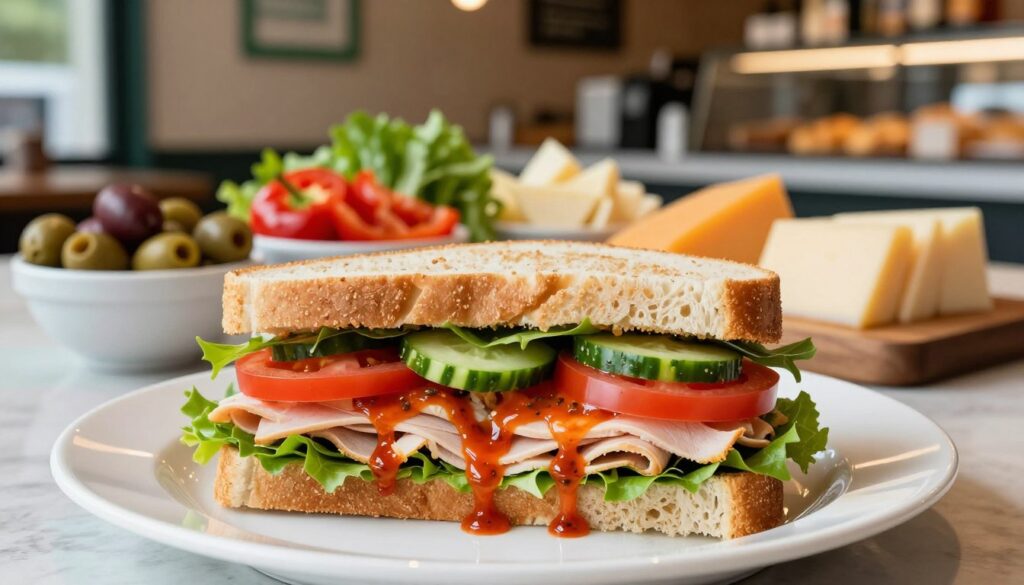
Break the sandwich down by building blocks so you can spot risky ingredients fast.
Breads and wraps
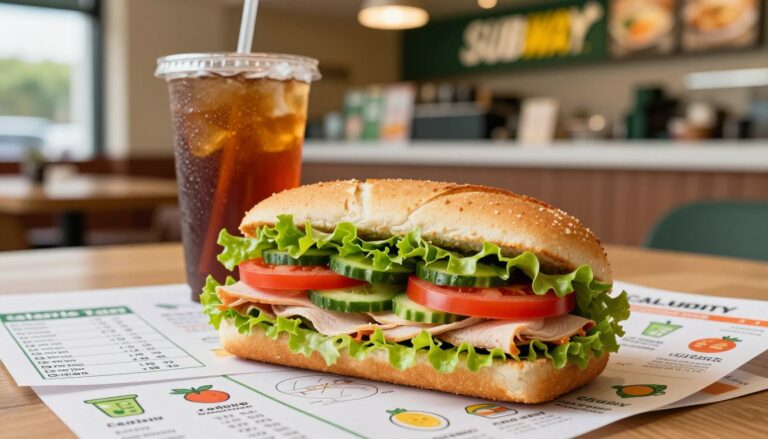
Artisan Italian (white) and Hearty Multigrain contain wheat and gluten. Some wraps vary by location.
Flatbread or lavash has been reported to contain milk in U.S. guidance. Always check the label before you order.
Proteins and meats
Tuna salad contains egg. Some proteins are formed meat; meatballs in marinara list milk. Steak itself is often simple.
Steak allergy risk depends on the bread, seasoning, and chosen sauce. Ask about soy in marinades or seasoned proteins.
Sauces, spreads, and dressings
Mayonnaise and honey mustard contain egg. Ranch and Caesar-style dressings often include egg and dairy.
Baja Chipotle and MVP Vinaigrette have been flagged as containing dairy in U.S. notes. Double-check the sauce label each time.
Veggies, toppings, and cross-contact
Fresh vegetables and basic toppings are usually simpler to check. Pickled or seasoned items may add hidden ingredients.
Items can come contact with allergens on shared tools. Request clean utensils or a fresh prep area and check the site when unsure.
| Component | Common allergens | Quick action |
|---|---|---|
| Bread / Wrap | Wheat, sometimes milk | Pick certified wheat-free or check label |
| Protein | Egg (tuna), formed meats, soy in marinades | Ask which batch and seasoning used |
| Sauces | Egg, dairy | Request sauce label; skip if unsure |
| Toppings | Usually low risk; pickled items may vary | Confirm pickled ingredient list |
Allergen-Smart Ordering Tips for a Safer Subway Experience
Order with calm: a few clear phrases and requests can lower your risk at the counter. Use short, direct wording so staff understand your needs and can act quickly.
What to say when ordering to reduce milk, egg, or wheat exposure
Say your allergy and the ingredient to avoid. Try: “I have a severe milk allergy — please no cheese and no dairy sauce.”
For egg concerns, ask: “Does that sauce contain egg? If yes, please swap it.”
To limit wheat exposure, confirm the bread or ask if any certified wheat-free packaged items are available.
Cross-contamination steps you can request
- Ask staff to change gloves before making your sandwich.
- Request a clean knife and a wiped prep surface.
- Ask for a fresh wrapper or barrier under your sandwich while it is built.
When in doubt, ask to see the ingredient or allergen label. You may receive online confirmations or substitutions; still re-check in person if your allergy is serious.
| Quick script | Why it helps | Follow-up |
|---|---|---|
| “No cheese, no dairy sauce.” | Reduces milk and dairy risk | Ask staff to confirm the sauce label |
| “Does this contain egg? If so, swap sauce.” | Targets mayo-based risks | Choose a safe dressing or none |
| “Please change gloves and use a clean knife.” | Limits come contact from shared tools | Ask for a fresh wrapper barrier |
Remember: many employees are trained to take these steps, but shared prep means no restaurant can promise zero cross-contact. Decide what level of risk fits your experience and act accordingly. For full ingredient files, check detailed ingredient labels at detailed ingredient labels.
Before You Order: Cookies, Limited-Time Items, and Important “Please Note” Disclaimers
Pause to confirm new promos and sweets — recipes and prep change often.
Please note: U.S. guidance (Jan 2026) shows all current cookies contain milk. That includes the Footlong Oreo cookie, Cinnabon churro-style items, Auntie Anne’s pretzel, and the classic chocolate chip cookie. The Footlong Pretzel is pre-dipped in butter and “Dippers” cannot be customized without milk.
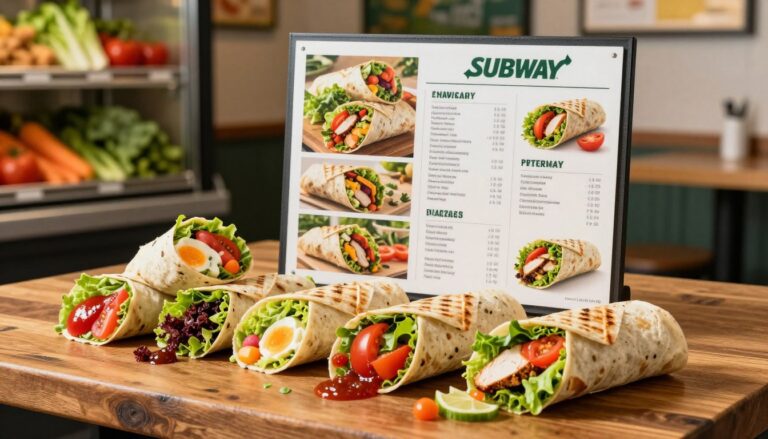
Please note that limited-time wraps and promos vary by location. Ask for the label label at the counter to confirm ingredients before you buy. Shared prep lines mean cross-contact can still occur.
This website may show a consent banner where you can allow cookies. Types of cookies help pages load, improve performance, and let services function properly. If you enable them, tools may set preferences tied to your interest and collect personal information to receive personalized recommendations. You can adjust privacy choices anytime.